The Revolution of Autonomous Vehicles: Challenges and Opportunities for Future Mobility
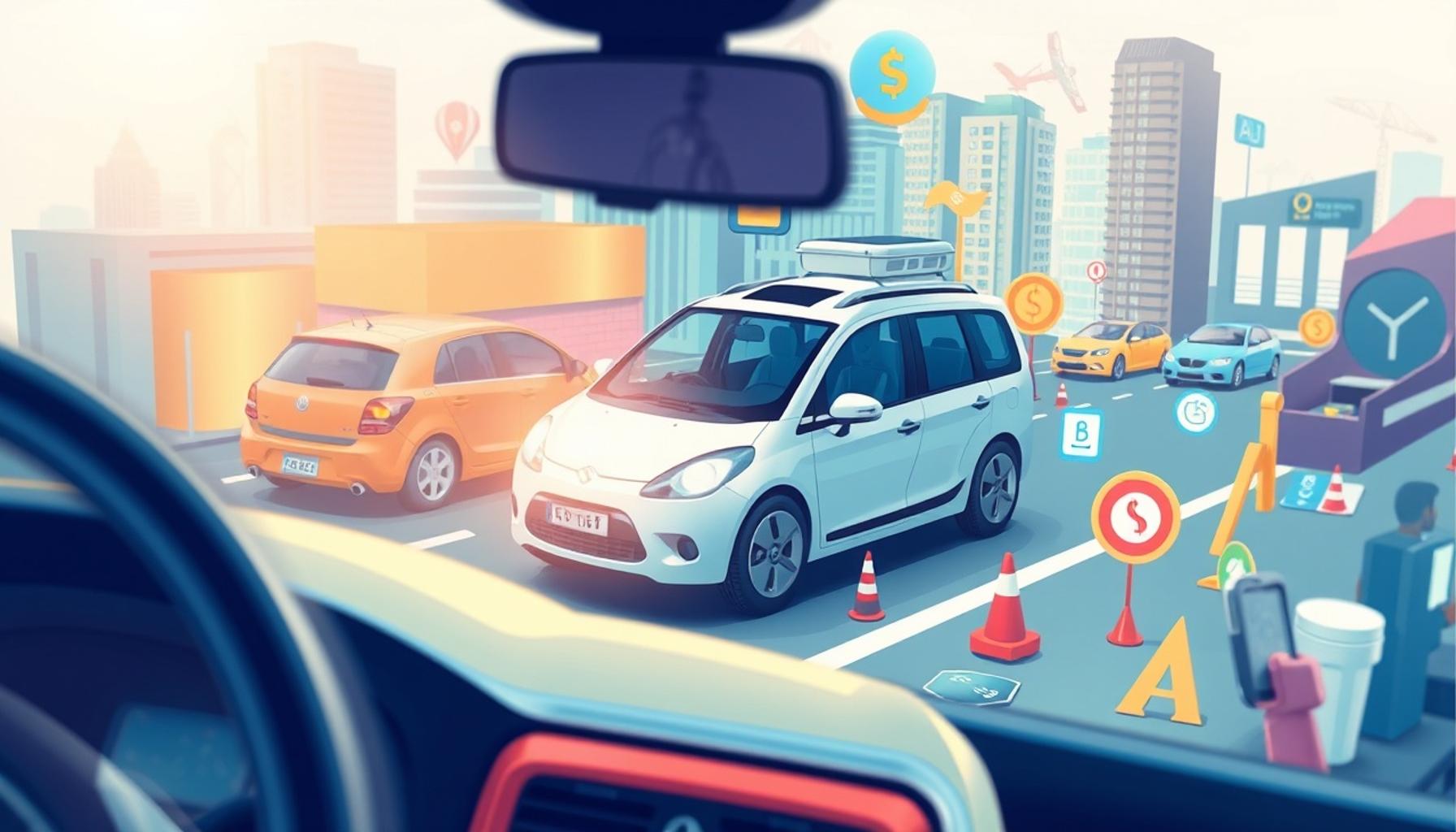
Impact of Autonomous Vehicles on Society
The era of autonomous vehicles (AVs) is upon us, heralding a transformation in how we think about transportation. With advancements in technology, the concept of self-driving cars is swiftly moving from science fiction to reality. This shift brings with it significant challenges and opportunities that will reshape future mobility.
Consider the following aspects that characterize the landscape of autonomous vehicles:
- Technological Innovation: Developments in artificial intelligence (AI), machine learning, and sensor technologies are at the forefront of the AV revolution. For instance, companies like Waymo and Tesla are utilizing sophisticated algorithms and real-time data processing to interpret their surroundings. These innovations are not merely about vehicles navigating roads but also involve intricate decision-making processes that emulate human judgment in an array of scenarios.
- Safety Improvements: The potential for reduced traffic accidents and improved road safety is a major selling point. According to the National Highway Traffic Safety Administration, approximately 94% of serious crashes are due to human error. This statistic presents a compelling argument for AVs, which could dramatically lower the number of accidents through consistent monitoring and responsiveness. For example, a self-driving car can react to potential hazards much faster than a human driver, potentially saving lives.
- Environmental Impact: Autonomous vehicles could lead to more efficient driving patterns, reducing fuel consumption and lowering emissions. By optimizing routes and reducing congestion through vehicle-to-vehicle communication, AVs can contribute to cleaner air. Furthermore, many AVs are designed as electric vehicles, aligning with the U.S. goal of reducing dependency on fossil fuels and promoting sustainable practices.
- Policy and Regulation: Lawmakers are tasked with creating frameworks that ensure safety and integration into existing traffic systems. States such as California and Arizona are already testing regulations, aiming to determine how AVs can share the road with traditional vehicles. The federal government, too, is involved, pushing for guidelines that can support AV innovation while prioritizing public safety.
- Economic Considerations: Job displacement in transportation sectors may occur, while new industries could emerge. As AVs become more prevalent, jobs related to driving, such as truck and taxi services, may decline. However, new opportunities will arise in tech development, infrastructure improvements, and vehicle maintenance, creating a complex but promising economic landscape.
These factors represent both the promise and the perils of this groundbreaking technology. As we delve into the realm of autonomous vehicles, it’s essential to understand both sides of the equation. The future of mobility lies in balancing innovation with sustainability and societal impact. Embracing this technology will require collaboration among technology companies, government agencies, and the public to ensure that we maximize the benefits while mitigating potential downsides.
DISCOVER MORE: Click here for detailed application steps
Understanding the Technology Behind Autonomous Vehicles
The foundation of autonomous vehicles is built upon an intricate web of cutting-edge technologies working in concert. To appreciate the revolution AVs represent, it’s essential to grasp the key components that allow these vehicles to navigate and operate effectively.
At the heart of the autonomous vehicle lies its perception system. This system uses a combination of sensors, cameras, and radar to gather data from the vehicle’s surroundings. For example, a mixture of lidar sensors can measure distances to nearby objects, while high-definition cameras capture images allowing the vehicle to identify traffic signals, pedestrians, and other crucial elements of the environment. By integrating data from these various sources, AVs develop a comprehensive understanding of their surroundings.
Another pivotal element is the decision-making algorithm. This software runs complex simulations based on the data collected, enabling the vehicle to make real-time decisions, such as when to stop for a red light or avoid a pedestrian crossing the road. Advanced machine learning techniques allow these systems to improve over time through experience, similar to how a human driver learns from distinct driving scenarios.
Moreover, the connectivity aspect of AVs is critical for safety and efficiency. By communicating with each other and with traffic infrastructure, like traffic lights and road signs, vehicles can share information that helps them anticipate traffic patterns and avoid collisions. This dynamic communication network is often referred to as vehicle-to-everything (V2X) technology and is instrumental in promoting a coordinated flow of traffic, which ultimately enhances road safety.
While the technology is promising, the transition towards widespread adoption of AVs presents challenges that must be addressed:
- Public Acceptance: Trust in autonomous systems is not automatic. Many potential users express apprehension regarding the safety of AVs and their impact on the traditional vehicle ecosystem. Overcoming this skepticism will require persistent education and demonstration of the technology’s benefits.
- Infrastructure Readiness: Many current road systems are not equipped to accommodate the sophisticated needs of AVs. Upgrading infrastructure to support V2X communication and include features like dedicated lanes for autonomous vehicles is crucial for maximizing their effectiveness.
- Cybersecurity Risks: As AVs rely heavily on software and connectivity, they are vulnerable to cyberattacks. Robust security measures are crucial to protect against threats that could compromise vehicle safety or user data.
- Legal and Ethical Questions: The deployment of AVs raises questions surrounding liability in case of accidents. Determining accountability—whether on the manufacturer, software developer, or vehicle owner—poses a significant legal challenge that policymakers must resolve.
These technological advancements, while promising, necessitate a comprehensive understanding of the interconnected challenges that must be navigated. As stakeholders from the tech, automotive, and regulatory sectors collaboratively work on solutions, the opportunity for a future where AVs can seamlessly integrate into our mobility systems expands. It is an evolution that could redefine transportation as we know it, but it requires a thoughtful and proactive approach to harness its full potential.
DISCOVER: Click here to learn more about the future of film consumption
Challenges and Opportunities in the Autonomous Vehicle Landscape
As we navigate the landscape of autonomous vehicles (AVs), it is essential to identify the opportunities that this technology presents. Understanding these can provide valuable insights into the potential benefits of AVs and how they can reshape transportation.
One of the most significant advantages of AVs is the potential to reduce traffic accidents. According to the National Highway Traffic Safety Administration (NHTSA), approximately 94% of serious crashes are attributed to human error. By eliminating human factors such as distraction, fatigue, and impaired driving, AVs could dramatically enhance road safety. For example, a study from the Virginia Tech Transportation Institute found that using automated driving technology could reduce crash rates by up to 90% in certain scenarios. This transformation not only improves safety but also enhances public confidence in transportation systems.
Furthermore, autonomous vehicles present an opportunity to improve traffic flow and reduce congestion. Leveraging real-time data and V2X communication, AVs can optimize routes, reduce stop-and-go traffic patterns, and enable smoother transitions through intersections. This capability could lead to more efficient use of existing roadways and less time spent in traffic. In urban areas, where congestion is particularly problematic, this could mean quicker commutes and a better quality of life for residents.
Another exciting facet of AV technology is its potential to promote accessibility. For individuals with disabilities or the elderly who may not have the ability to drive, AVs can provide newfound independence and improve their mobility options. Studies show that many older adults prefer to remain in their communities and maintain an active lifestyle. AVs could offer these individuals the ability to travel without needing to rely on others or face transportation barriers.
However, there are substantial challenges to overcome before we can fully realize these opportunities. Aside from public acceptance and infrastructure readiness mentioned earlier, there are significant regulatory hurdles that need to be addressed. Presently, the legal framework surrounding AVs does not allow for uniform testing and deployment across various states, causing inconsistencies in regulation. Establishing a comprehensive regulatory system that can adapt to rapid technological advancements is critical for fostering innovation while ensuring safety.
Moreover, the economic implications of AVs are profound. The automotive industry may undergo significant transformation, affecting jobs and traditional manufacturers. For instance, while AV technology could create new jobs related to the development and maintenance of these vehicles, it may displace drivers and workers within logistics and ride-sharing sectors. Policymakers will need to consider transition plans to reskill those whose jobs may be affected by this revolution.
Finally, addressing the ethics of autonomous driving poses a complex challenge. In scenarios where an accident is unavoidable, how should an AV make decisions to minimize harm? Developing a consensus on ethical frameworks and programming moral considerations into AV decision-making is fundamental in earning public trust.
In summary, while the future of autonomous vehicles is laden with challenges, the potential for safer, more efficient, and more accessible transportation systems cannot be overstated. The technological, economic, and regulatory landscapes will play vital roles in shaping how this revolution unfolds, and collaborative efforts across various sectors are essential to unlock the full benefits of AVs.
DISCOVER MORE: Click here to learn about the evolution of remote work
Conclusion
The emergence of autonomous vehicles (AVs) represents a pivotal moment in the evolution of transportation, encompassing both significant opportunities and formidable challenges. As highlighted, AV technology promises to dramatically enhance road safety by reducing traffic accidents, improving traffic flow, and providing newfound mobility for individuals who are otherwise unable to drive. This potential is not just a theoretical construct; it is a vision backed by research indicating that AVs can increase efficiencies and improve the quality of life in urban environments.
However, the journey towards widespread adoption is fraught with challenges. Legal and regulatory frameworks must evolve to provide clear guidance for testing and deployment, ensuring that the pace of innovation does not outstrip safety. Additionally, the economic impact of this technology could lead to significant shifts in job markets, necessitating proactive measures for workforce reskilling and planning. The ethical considerations of AV decision-making further complicate the landscape, requiring a delicate balance between technological advancement and societal values.
As we stand at the crossroads of this revolution, it becomes essential for stakeholders, including policymakers, technologists, and the public, to come together and engage in constructive dialogue. By addressing the hurdles head-on and recognizing the transformative potential of AVs, we can work towards a future that embraces safer, more efficient, and accessible transportation systems. This collaborative effort will not only pave the way for technological advancement but also ensure that the benefits of autonomous vehicles are equitably shared across society.

Linda Carter
Linda Carter is a writer and expert known for producing clear, engaging, and easy-to-understand content. With solid experience guiding people in achieving their goals, she shares valuable insights and practical guidance. Her mission is to support readers in making informed choices and achieving significant progress.